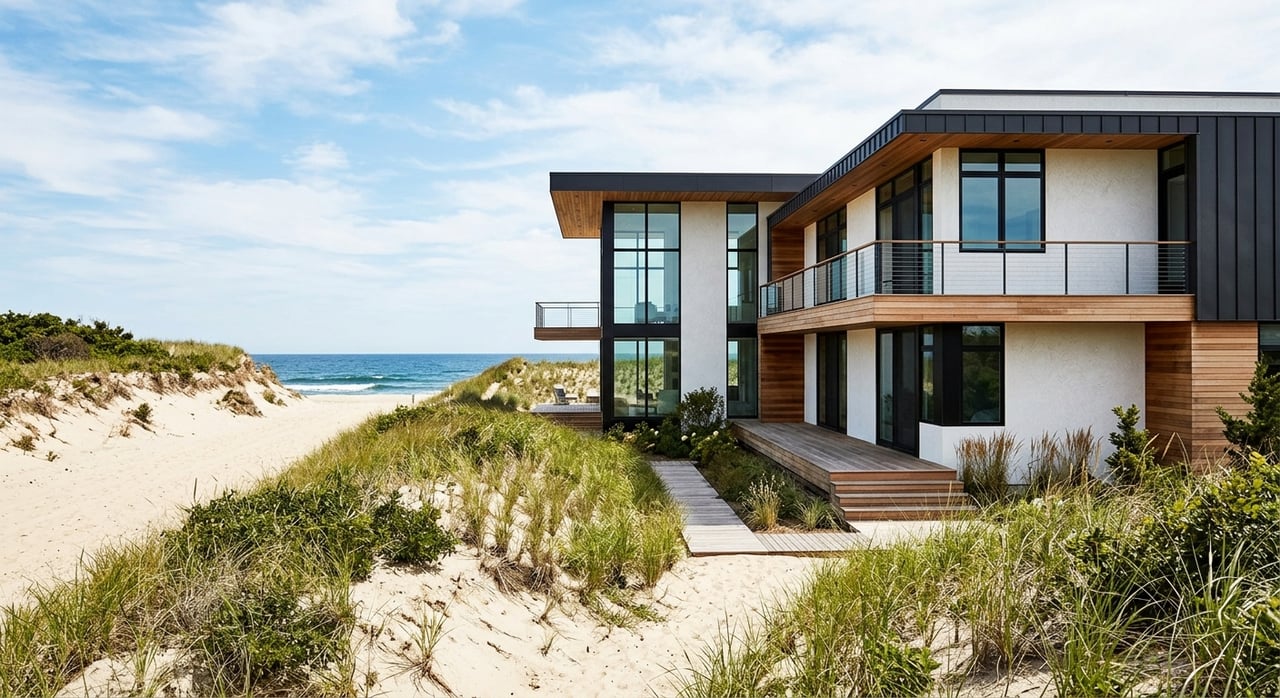
Buying Gulf-front in Miramar Beach sounds simple until you get past the view. The water, the sand, and the balcony sunsets are easy to fall for, but the smartest buyers look deeper before they commit. If you are considering a Gulf-front home, condo, or rebuild opportunity here, you need to understand access, construction, insurance, upkeep, and rental rules before you move forward. Let’s dive in.
Why Miramar Beach Draws Buyers
Miramar Beach offers more than shoreline. You get a coastal setting with resort-style convenience, retail access, and a mix of full-time, second-home, and vacation-oriented ownership patterns.
That balance is a big part of the appeal. Nearby destinations like Silver Sands Premium Outlets and activity hubs such as Seascape Towne Centre add everyday convenience, dining, and entertainment to the beach lifestyle. Large resort communities also shape the area, including Seascape and Sandestin.
Beach Access Matters More Than You Think
When you buy Gulf-front or near the Gulf, it helps to understand how beach access works in practice. In Miramar Beach, the beach experience is supported by regional access points, not only by private frontage.
The Miramar Beach Regional Beach Access includes seasonal lifeguards, parking, a beach-conditions flag, ADA restrooms, an ADA boardwalk, ADA parking, a water fountain, and beach wheelchairs. Walton County is also expanding free tram service to improve circulation between parking and beach access areas, including a planned direct route to Miramar RBA.
For you as a buyer, that means convenience is not just about the lot line. It is also about how easily you, your guests, or renters can get to and from the beach during busy seasons.
Gulf-Front Homes Come In Different Formats
Not every Gulf-front purchase in Miramar Beach is the same kind of investment. You may be choosing between a high-rise condo, a villa, a townhome, or a single-family home, and each option brings a different ownership and maintenance experience.
The local housing mix is broad. Seascape spans 330 beachfront acres with 1,429 units and more than 100 residential buildings, including modern high-rises and garden villas. Sandestin adds another large-scale resort environment with 30 neighborhoods and more than 1,250 condos, villas, town homes, and hotel accommodations.
That matters because you are not only buying a view. You are also buying into a building type, a structural system, and a community framework that can shape your costs, use, and long-term flexibility.
Understand Coastal Construction First
One of the biggest Gulf-front buying mistakes is focusing on finishes before structure. On the coast, how a home is built matters just as much as how it looks.
According to Walton County building requirements, homes in flood-prone areas are typically elevated above base flood elevation. Areas below living space are generally limited to parking, storage, or access, with flood-resistant materials and special design requirements depending on the flood zone.
FEMA guidance also supports coastal construction approaches such as open or deeply embedded foundations in hazardous coastal areas and breakaway-wall treatment below elevated buildings. In plain terms, a Gulf-front home may look different from an inland home because it has to respond to flood and wave risk.
What to review in the structure
Before you buy, pay close attention to:
- Elevation documentation
- Flood-zone designation
- Whether the property is in a VE or Coastal A zone
- Use of below-house areas
- Visible signs of corrosion or deferred exterior maintenance
- Any records tied to renovations or rebuilding
If you are buying a lot or considering major improvements, these details become even more important before closing.
Insurance Should Be an Early Conversation
Many buyers wait too long to ask about flood insurance. On a Gulf-front property, that can create expensive surprises.
FEMA notes that most homeowners insurance policies do not cover flood damage, and flood insurance is typically separate. FEMA also explains that NFIP policies usually have a 30-day waiting period unless an exception applies, which is why it is smart to start quotes early in the process.
Flood risk is not uniform, even along the same stretch of coast. According to FEMA’s flood-risk guidance for homeowners and renters, storm surge, erosion, rainfall, elevation, and distance to water all affect risk. Two nearby Gulf-front properties can have very different insurance profiles.
Questions to ask early
Ask these questions before you get too far into negotiations:
- What flood zone is the property in?
- Is flood insurance likely to be required for your financing?
- Is there elevation documentation available?
- Has the seller shared current insurance information?
- Are there signs of coastal exposure that could affect insurability or maintenance costs?
Early answers help you compare options more realistically.
Salt Air and Humidity Change Ownership Costs
Owning on the Gulf is different from owning inland. The coastal environment can be hard on materials, systems, and finishes, especially if the home sits vacant part of the year.
UF/IFAS advises seasonal owners to keep homes clean and dry, weather-seal windows and doors, and maintain air-conditioning systems to control humidity. The same guidance also suggests understanding what exterior maintenance a condo or community handles, since that can affect your budget and responsibilities.
FEMA also notes that salt spray from waves and onshore winds can speed up corrosion in coastal areas. That makes regular inspection of metal connectors, railings, fasteners, windows, roofs, and HVAC components an important part of Gulf-front ownership.
Practical upkeep items to expect
If you are buying a Gulf-front property, expect to monitor:
- HVAC performance and humidity control
- Window and door seals
- Exterior metal corrosion
- Roof and railing condition
- Storm-related wear
- Pest and mildew prevention in unoccupied periods
In a condo or resort community, review what the association handles and what remains your responsibility.
Rental Plans Can Affect Your Decision
Some buyers want a personal retreat. Others want a part-time residence with income potential. In Miramar Beach, your intended use matters because county and community rules can shape what is possible.
Walton County requires annual registration for short-term vacation rentals. The county also notes that some owner-occupied primary residences may be exempt if the owner lives there full time and the home remains homesteaded. It further states that renting more than 30 days per year in two consecutive years may create homestead-abandonment concerns.
You can review these details through Walton County’s short-term rental FAQs. The county also requires prompt notice when a short-term rental is sold or removed from the rental market.
Local communities may add another layer of rules. Seascape, for example, notes that many units are rented through local agencies or directly by owners, and it publishes owner, rental-manager, and prospective-buyer materials. That is a good reminder to read HOA and community documents carefully before you buy.
Decide your use case upfront
Before choosing a property, be clear about whether you want:
- A primary residence
- A second home
- A seasonal retreat
- A property with short-term rental potential
- A longer-term investment hold
That choice affects compliance, operations, insurance, and management expectations.
Check Access, Rules, and Build Limits
If you are buying a parcel or planning a rebuild, due diligence needs to go beyond the house itself. Coastal ownership can involve site-specific limitations that are easy to miss if you only focus on photos and views.
Walton County notes that some coastal parcels fall within CBRS or OPA areas. You can start with the county’s COBRA Zones information when evaluating vacant land or redevelopment opportunities.
This is one of those details that can affect permitting and long-term plans. If your goal is to build, expand, or substantially improve a Gulf-front property, it is worth confirming these issues before you close.
A Smart Pre-Close Checklist
A strong Gulf-front purchase is usually the result of disciplined due diligence. Before closing on a Miramar Beach property, make sure you have covered the basics.
Pre-close items to review
- Verify flood zone status and request elevation documentation
- Ask whether the property has any VE or Coastal A zone requirements
- Quote flood insurance early
- Inspect roof, windows, HVAC, railings, fasteners, and exterior metal for salt-air wear
- Review condo, HOA, or resort maintenance obligations
- Confirm short-term rental rules at both the county and community level
- If buying land or planning a rebuild, check CBRS or OPA status before closing or permitting
- Understand how beach access works for the property in real day-to-day use
A Gulf-front home can be a great lifestyle purchase or investment, but the best outcomes usually come from asking detailed questions early.
If you want experienced guidance as you compare Gulf-front homes, condos, or coastal lots in Miramar Beach, connect with Albert Baeza. You will get direct, high-touch support through the search, due diligence, and closing process so you can move forward with more clarity and confidence.
FAQs
What should buyers know first about Gulf-front homes in Miramar Beach?
- Buyers should start with flood zone, elevation, insurance, building type, and ownership rules, because those factors often affect cost and usability more than the view alone.
How does beach access work for Miramar Beach properties?
- Beach access in Miramar Beach often relies on regional access points, including Miramar Beach Regional Beach Access, which offers parking, seasonal lifeguards, and ADA features.
Can buyers use a Miramar Beach Gulf-front property as a short-term rental?
- Some properties may be used as short-term rentals, but Walton County requires annual registration and community-level HOA or condo rules may also apply.
Why are Gulf-front insurance quotes different from one Miramar Beach property to another?
- Insurance can vary because flood risk depends on factors like storm surge, erosion, elevation, rainfall, and distance to the water, even between nearby properties.
What maintenance should owners expect with a Gulf-front home in Miramar Beach?
- Owners should expect ongoing attention to humidity control, mildew prevention, salt-air corrosion, HVAC upkeep, weather sealing, and storm-related wear.
What should buyers check before rebuilding or improving a Gulf-front property in Miramar Beach?
- Buyers should confirm flood-zone building requirements, elevation-related rules, and whether the parcel is affected by CBRS or OPA limitations before closing or permitting.