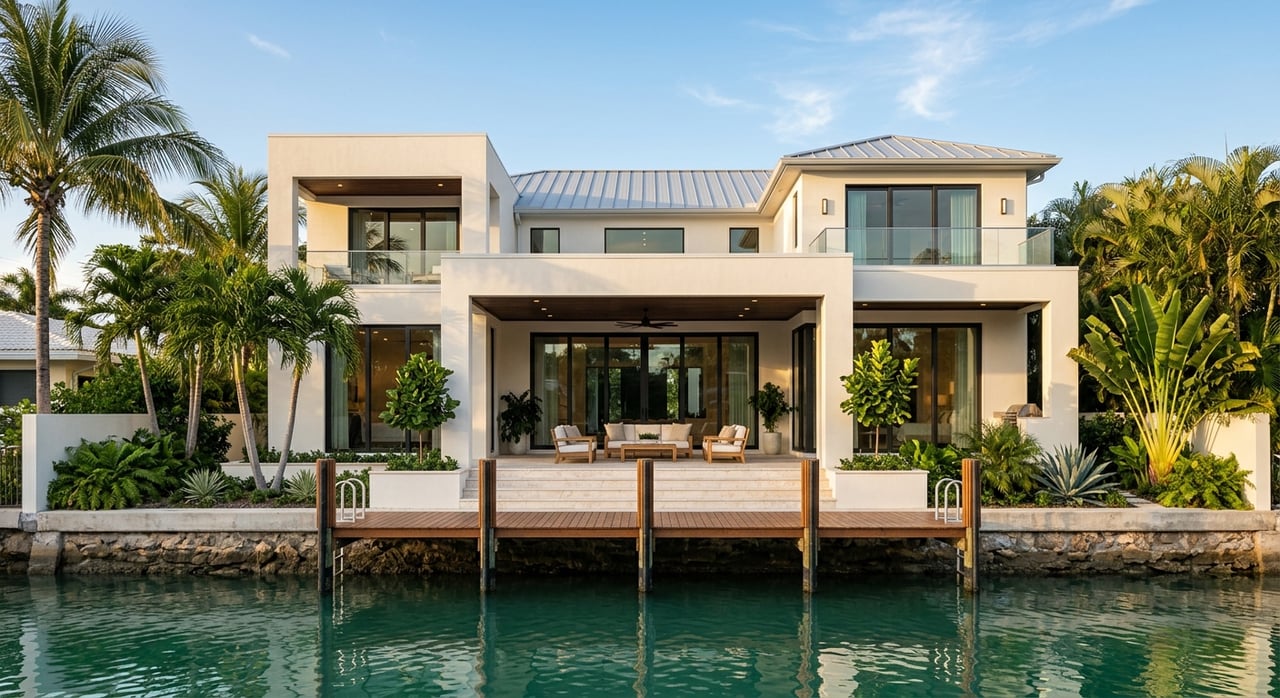
If you are shopping for waterfront property in Cape Coral, one of the biggest mistakes you can make is assuming all water frontage works the same way. In this market, “waterfront” can mean a calm freshwater canal, a saltwater canal with boating access, a broad riverfront setting, or a sheltered basin-style location. Understanding those differences can help you choose a home that truly fits how you want to live, boat, and maintain the property. Let’s dive in.
Cape Coral Waterfront Is Not One Thing
Cape Coral’s canal system stretches more than 400 miles, according to the city, and it serves several purposes beyond scenery. The system supports waterfront living, recreation, flood control, irrigation storage, and water-quality management. That is why two homes that both look “waterfront” online can offer very different day-to-day experiences.
A smart first step is to separate properties into the city’s main waterfront types. In plain language, that usually means freshwater canals, saltwater or Gulf-access canals, riverfront homes, and sheltered inland-water settings like basin-front or lake-front locations. From there, you can narrow your search based on boating goals, maintenance expectations, and the kind of views you want.
Freshwater Canal Homes
Freshwater canal homes are often the quieter, more inland-feeling option in Cape Coral. The city says these canals collect stormwater runoff and hold it for gradual transfer to tidal canals. For many buyers, that translates to a calmer waterfront setting rather than a direct open-water boating lifestyle.
One important detail is that seawalls are not required on freshwater canals. That can affect both the look of the shoreline and the type of improvements a property may have. Still, you should verify the specific lot conditions before making assumptions about maintenance or future plans.
If your priority is peaceful water views and a lower-traffic feel, freshwater canals may be a strong fit. They are often better matched to buyers who want the atmosphere of waterfront living without making boating access the center of the search.
Saltwater and Gulf-Access Canal Homes
Saltwater canal homes are the category most buyers think of when they imagine boating from their backyard. The city notes that many canals have direct access to the Caloosahatchee River and the Gulf. That makes this segment especially appealing if your lifestyle includes regular boat use.
That said, not every canal home has Gulf access. Cape Coral has both freshwater and saltwater canal systems, so it is important to confirm the exact route from the property rather than relying on listing language alone.
Saltwater living also comes with a different ownership experience. The city notes that saltwater canals support marine species and can lead to oysters, barnacles, and other marine growth on docks and seawalls. In practical terms, that usually means a more boating-oriented property with more marine exposure and upkeep.
Riverfront Homes
If you want the strongest open-water feel, riverfront property is usually the clearest match. The Caloosahatchee River offers wider views and a setting that feels more directly connected to the water than a typical canal lot. For many buyers, this is the category that delivers the most dramatic waterfront presence.
The city’s riverfront information highlights river views, boardwalk access, and marina-related uses in this part of Cape Coral. The waterfront guide also notes manatee slow zones within one-quarter mile of the river shore. That means buyers who plan to boat should understand not just access, but also local navigation rules along the river.
Riverfront homes often appeal to buyers who care as much about the visual experience as the water access itself. If your ideal morning starts with a broad water view rather than a narrower canal line, this may be the setting to prioritize.
Basin-Front and Lake-Front Options
Cape Coral also includes sheltered inland-water settings that buyers often describe as basin-front or lake-front. Examples in city materials include areas around Bimini Basin, which combine water views with marina and recreation access nearby. These settings can feel scenic and connected to the waterfront without always offering the same boating profile as a river or Gulf-access canal home.
The safest approach is to think of these as sheltered waterfront choices unless the specific parcel has documented boating access. That distinction matters because the setting may look highly desirable on a map, but the actual use can differ from what a buyer expects.
If you like a protected-water feel and strong scenery, basin-front or lake-front options can be worth a close look. Just make sure the lot’s access and use match your plans.
Why Lot Position Matters
Even within the same water type, one lot can feel very different from the next. A home on a straight canal, a canal intersection, or a wider basin edge may offer a different sense of privacy, openness, and view corridor. In Cape Coral, those small map details can make a big difference in how a property lives.
This is why it helps to verify the lot setting on the city map and in person. Two saltwater canal homes may both check the same basic box, but one may feel tucked away while the other feels more exposed and open. The same idea applies to freshwater properties.
How To Compare Cape Coral Waterfront Options
When you compare waterfront homes in Cape Coral, it helps to focus on how you will actually use the property. A simple framework can make the search much easier.
Compare By Boating Access
For boating, the key question is not whether a home is on the water. The real question is whether the route is freshwater, saltwater, or river-connected. The city’s boating resources also make clear that freshwater and saltwater access points are not the same thing.
If boating is important to you, verify the route before you fall in love with a property. A home can have beautiful water frontage and still not deliver the type of access you want.
Compare By Daily Lifestyle
Lifestyle is often where buyers find the biggest difference between waterfront types. Freshwater canal homes usually lean toward calm, low-traffic waterfront living. Saltwater canal homes tend to fit buyers who want a more boating-centered experience.
Riverfront and basin-front homes often place more emphasis on views and water-adjacent recreation. None of these are legal categories for lifestyle, but they are useful buyer-friendly ways to think about the options.
Compare By Maintenance
Waterfront ownership usually means more upkeep, and the city is clear that shoreline care and runoff control matter. Its materials note fertilizer-free zones near water, seasonal fertilizer restrictions, and regulated mangrove trimming. On saltwater parcels, marine growth on docks and seawalls can add another layer of maintenance.
That does not mean waterfront ownership is a problem. It just means you should go in with a clear picture of what caring for the property may involve.
Compare By Wildlife And Water Conditions
Wildlife is part of the Cape Coral waterfront experience. The city’s guide references birds, freshwater and saltwater fish, manatees, dolphins, and alligators throughout the canal system and nearby waters. Depending on the location, that can be part of the appeal and part of the responsibility of living on the water.
On riverfront parcels in particular, manatee slow zones are an important detail for boaters. This is another reason to look beyond the photos and understand how a property functions in real life.
What To Verify Before You Make An Offer
Before you buy any waterfront home in Cape Coral, it is worth slowing down and checking the details that can affect ownership costs, future improvements, and everyday use.
Flood Zone Information
Flood risk should be part of your search from the beginning. The city says most Cape Coral residents live in a Special Flood Hazard Area, and it offers parcel-level tools for flood zones, base flood elevation, and elevation certificates.
That means flood information is not something to review after you are under contract. It should be one of the first filters you use when comparing waterfront options.
Dock, Seawall, And Marine Permits
If you plan to add or replace a dock, seawall, or other marine feature, check the parcel individually. Cape Coral lists dock and seawall work among common permit types. The city also notes that if a site is not on fresh water, Florida DEP approval is required for seawall work.
For dredging, the city says review is required through the U.S. Army Corps of Engineers and the Florida Department of Environmental Protection. In short, future changes to the shoreline should never be assumed.
Boating Requirements
If you plan to operate a motorboat, state boating rules may also apply. The Florida Fish and Wildlife Conservation Commission says anyone born on or after January 1, 1988 who operates a motorboat with 10 horsepower or more must complete an approved boating safety course and obtain the FWC identification card.
This may seem like a small point during a home search, but it matters if boating is part of your purchase decision. It is better to understand that upfront than after closing.
A Simple Way To Think About Cape Coral Waterfront
If you want the simplest way to sort the choices, use this framework. Freshwater canal usually means calmer inland water with fewer boating expectations. Saltwater or Gulf-access canal usually means a more boating-oriented waterfront with more marine exposure.
Riverfront usually offers the strongest open-water lifestyle. Basin-front or lake-front settings are typically the more sheltered scenic options. No matter which type you prefer, the details still need to be verified lot by lot because access, depth, flood risk, and permit history can vary from one property to the next.
Choosing the right waterfront home is not just about finding water behind the house. It is about matching the property to the way you want to live, use the water, and care for the home over time. If you want expert guidance as you compare Cape Coral waterfront options, connect with Albert Baeza for personalized support.
FAQs
Does every waterfront canal home in Cape Coral have Gulf access?
- No. Cape Coral has both freshwater and saltwater canal systems, so a canal-front home does not automatically have Gulf access.
Are seawalls required for all Cape Coral canal homes?
- No. The city says seawalls are not required on freshwater canals, though other waterfront improvements may still require permits and approvals.
What is the difference between freshwater and saltwater canals in Cape Coral?
- In general, freshwater canals are more inland and calmer, while saltwater canals are more closely tied to boating access and marine conditions.
Are riverfront homes in Cape Coral different from canal homes?
- Yes. Riverfront homes along the Caloosahatchee River usually offer a stronger open-water feel and broader views than typical canal properties.
What should you verify before buying a waterfront home in Cape Coral?
- You should verify the parcel’s water type, boating access, flood-zone information, lot orientation, and any permit considerations for docks, seawalls, or other marine improvements.
Does waterfront living in Cape Coral usually mean more maintenance?
- Usually, yes. The city points to shoreline care, runoff rules, fertilizer restrictions, mangrove regulations, and marine growth on saltwater structures as part of waterfront ownership.