Choosing between a classic Seagrove cottage and a newer home sounds simple until you start looking closely. In this part of Walton County, the decision is not just about style or age. It is also about flood rules, lot limits, tree protections, renovation risk, and how much you want your home to reflect Old Seagrove’s historic character. If you are weighing charm against convenience, this guide will help you compare both paths with more confidence. Let’s dive in.
Why Seagrove Feels Different
Seagrove is not a blank-slate coastal market where every lot can be treated the same. Walton County’s Old Seagrove plan describes the neighborhood as an early 1930s beach community with a traditional grid of small lots, long-standing beach access, and a historic pattern of cottage-style homes. That history still shapes what buyers see today.
The same county plan also makes clear that Old Seagrove has faced pressure from larger newer homes that changed the neighborhood character over time. In response, the plan aims to preserve the area’s heritage and guide future development so it fits with the historical pattern. For you as a buyer, that means both older homes and newer homes are influenced by local design rules.
Location matters here too. The plan defines Old Seagrove as the area west of Seaside, east of County Road 395, south of the Gulf, and north of a Western Lake tributary. It also applies coastal and scenic corridor standards that can affect what can be built, added, or changed on a property.
What Classic Cottages Offer
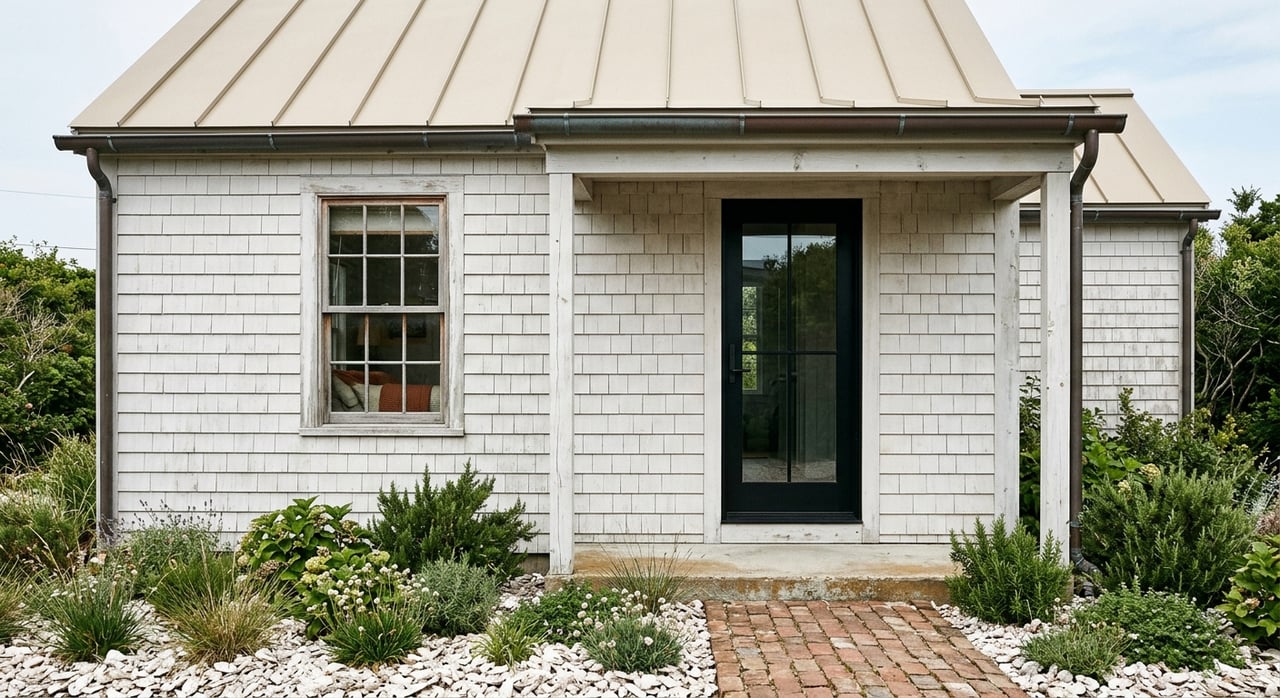
If you are drawn to older Seagrove cottages, you are probably responding to a real sense of place. Existing homes often come with established surroundings, mature landscaping, and the kind of neighborhood feel that takes decades to develop. In Old Seagrove, those strengths line up with smaller lots, tree canopy, traditional streetscapes, and recorded beach easements that helped define the area.
Many buyers also like that a cottage can offer remodel potential. If you want to update finishes over time while keeping the original feel of the home, an older property may give you that opportunity. You may also find that an existing home is move-in ready enough to enjoy first and improve later.
At the same time, a cottage usually asks more from you. Layouts can be less predictable, systems may be older, and maintenance needs can show up faster than expected. If you are buying from out of market or planning to use the home as a second home, that extra management is worth thinking through early.
Cottage appeal in Old Seagrove
Walton County’s plan reinforces many of the design traits buyers already love in older Seagrove. It encourages traditional roof pitches and multiple roof lines, requires homes to face the street, and limits front fence height. These details help preserve a classic coastal streetscape, which can make older homes feel especially connected to the neighborhood.
What New Builds Offer
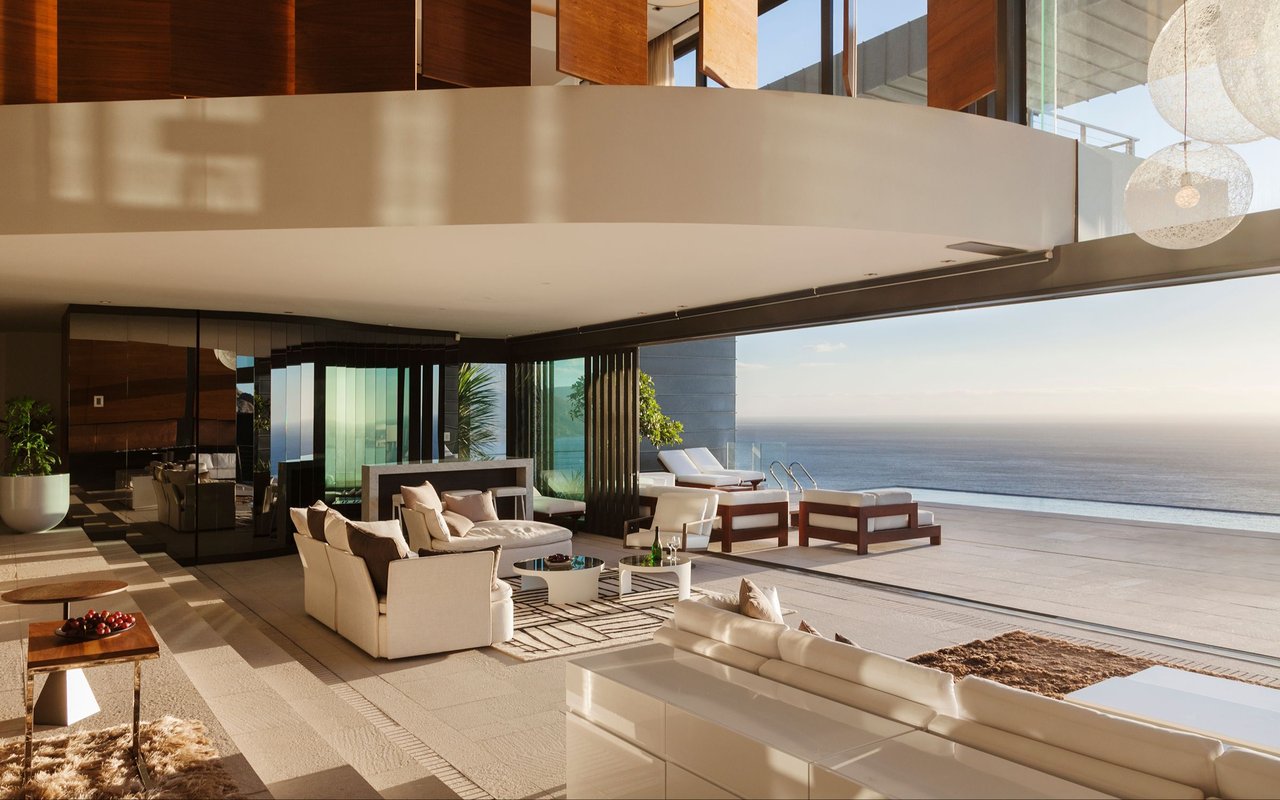
A newer home usually appeals to buyers who want cleaner lines, modern layouts, and fewer immediate repair projects. New construction often brings more energy-efficient products, lower near-term maintenance, and builder warranties. For many buyers, that added predictability is a major advantage.
Newer homes can also fit the way people live now. Open gathering spaces, larger kitchens, newer materials, and updated systems can make day-to-day ownership feel easier. If you want a home that needs less work right after closing, a new build may be the better fit.
But in Seagrove, new construction still comes with limits. The Old Seagrove overlay sets front setbacks of 20 feet, side setbacks of 7.5 feet, and rear setbacks of 15 feet. It also caps height at 40 feet, limits driveway width to 20 feet, and requires compliance with coastal and scenic corridor rules.
New does not mean unrestricted
A new build in Seagrove is not a free-form design project. Tree protections, corridor buffers, and coastal review standards can all shape what gets approved. So while a newer home may reduce maintenance risk, it does not remove the local complexity that comes with building near the coast.
The Real Tradeoff: Charm Versus Predictability
For most buyers, the Seagrove choice comes down to lifestyle and risk tolerance. A classic cottage often delivers more character, more established surroundings, and a stronger connection to the neighborhood’s roots. A newer home often delivers more predictable maintenance, a more modern floor plan, and fewer early surprises.
Neither option is automatically better. The better fit depends on how you plan to use the property and how comfortable you are with updates, permitting, and ongoing upkeep. If you value original neighborhood character more than perfect finishes, an older home may feel worth the work. If you want a smoother ownership experience from day one, a newer home may make more sense.
Coastal Rules Matter for Both Options
Whether you buy a cottage or consider new construction, coastal regulation can shape your plans more than you might expect. Florida DEP states that Coastal Construction Control Line permits are required for construction and excavation seaward of the CCCL unless an exemption applies. The agency also notes that siting and design criteria in those areas can be more stringent than in other coastal building zones.
That matters because a lot’s dune, flood, and coastal status can affect what you can build, add, or renovate. A pool, an addition, or even major site work may involve more review than buyers expect at first glance. This is one reason lot-level due diligence is so important in Seagrove.
Floodplain and Renovation Questions to Check First
Before you fall in love with a cottage or commit to a newer home plan, take time to review the property’s flood and permitting path. Walton County states that the South Walton Flood Insurance Rate Map became effective on December 30, 2020. The county also participates in CRS Class 6, which provides a 20 percent discount on new or renewing flood insurance policies for properties in Special Flood Hazard Areas.
Floodplain status is only the start. Walton County defines substantial improvement as repairs, reconstruction, alterations, or improvements over a 10-year period that reach at least 50 percent of the structure’s market value before construction. If a building is substantially damaged or substantially improved and does not meet current standards, it must be elevated to base flood elevation plus 1 foot.
For cottage buyers, that rule can be a big factor. If you plan a major renovation, addition, or rebuild strategy, the 50 percent threshold may change both your cost and your design path. In VE zones, the existing structure’s lowest horizontal member can also come into play.
Key due diligence questions
Before moving forward, ask these questions:
- Is the property in a flood zone or subject to county floodplain review?
- Is any part of the project seaward of the CCCL?
- Has the home had prior damage or improvements that could affect the 50 percent substantial improvement rule?
- Would an addition, pool, garage, or teardown change the elevation or permit pathway?
- Could tree protection, setbacks, driveway width, or scenic corridor rules limit the plan?
Permits and Site Constraints Buyers Often Miss
Walton County requires permits for construction or alteration work that falls under the technical codes and inspections process. In Old Seagrove, the local plan layers on more site-level review. That can include a clearing permit, a tree survey for protected trees, and compliance with scenic corridor, coastal protection, and coastal dune lake protection standards where applicable.
These details may sound minor when you first tour a home or lot, but they can affect real decisions. Fence height rules, the prohibition on chain-link fencing, side-street orientation for trash corrals, and efforts to preserve native canopy trees can all influence curb appeal and functionality. They can also shape driveway placement, outdoor living design, pool layout, and future addition plans.
Which Buyer Usually Prefers a Cottage?
A Seagrove cottage often fits buyers who care most about character and setting. You may be a cottage buyer if you value mature landscaping, traditional streetscapes, and the feeling of owning a home that reflects Old Seagrove’s history. You may also be comfortable making updates over time rather than expecting every finish and system to feel brand new.
This path can be especially appealing if you are buying for lifestyle first and are willing to accept more hands-on ownership. The reward is often a home with more personality and a deeper connection to place. The tradeoff is less certainty around maintenance and renovation complexity.
Which Buyer Usually Prefers a New Build?
A newer home often fits buyers who want simplicity and operational ease. You may prefer a new build if you want a modern floor plan, fewer near-term repair items, and a home that feels more turnkey from the start. That can be especially helpful if you are purchasing from out of town or want a more predictable ownership experience.
The tradeoff is that a newer home may come with a higher upfront cost and less established landscaping. And in Seagrove, even newer homes are still shaped by local overlay rules and coastal constraints. So the process may be more controlled than many buyers assume.
How to Choose With Confidence
If you are stuck between the two, focus less on old versus new as a label and more on how you want to live. Think about your tolerance for projects, your timeline, your maintenance expectations, and how important Seagrove’s traditional character feels to you. A home that looks perfect on paper can become frustrating if it does not match how you actually plan to use it.
It also helps to evaluate each property through the lens of its lot and regulatory setting, not just the home itself. In Seagrove, the floodplain, the CCCL, tree protections, setbacks, and improvement history can matter just as much as the floor plan. When you understand those factors early, you can make a cleaner and more confident decision.
If you want experienced, hands-on guidance comparing Seagrove cottages, new construction, or buildable lots along 30A, reach out to Albert Baeza. You will get direct insight, clear communication, and concierge-level support tailored to the way coastal buyers shop and close.
FAQs
What is the main difference between a Seagrove cottage and a new build?
- A Seagrove cottage usually offers more historic character, mature surroundings, and remodel potential, while a new build usually offers a more modern layout, lower near-term maintenance, and newer systems.
What Old Seagrove rules affect new construction in Seagrove?
- Walton County’s Old Seagrove overlay includes a 20-foot front setback, 7.5-foot side setbacks, a 15-foot rear setback, a 40-foot height cap, a 20-foot driveway width limit, and additional coastal and scenic corridor standards.
What floodplain issue should Seagrove cottage buyers check first?
- You should confirm whether the property is in a flood zone and whether future repairs or renovations could trigger Walton County’s substantial improvement rule, which may require elevation to base flood elevation plus 1 foot.
What is the substantial improvement rule in Walton County?
- Walton County defines substantial improvement as repairs, reconstruction, alterations, or improvements over a 10-year period that equal or exceed 50 percent of the structure’s market value before construction.
What Seagrove projects may require extra coastal review?
- Construction or excavation seaward of the Coastal Construction Control Line may require Florida DEP review, and additions, site work, or redevelopment plans may also be shaped by flood, dune, and coastal conditions.
What kind of buyer usually prefers a new build in Seagrove?
- A new-build buyer usually wants a more turnkey ownership experience, modern design, and fewer immediate maintenance concerns, even with a higher upfront cost or tighter design controls.
What kind of buyer usually prefers a cottage in Seagrove?
- A cottage buyer usually values neighborhood character, mature landscaping, and a stronger connection to Old Seagrove’s historic pattern, even if the home needs more upkeep or updates.