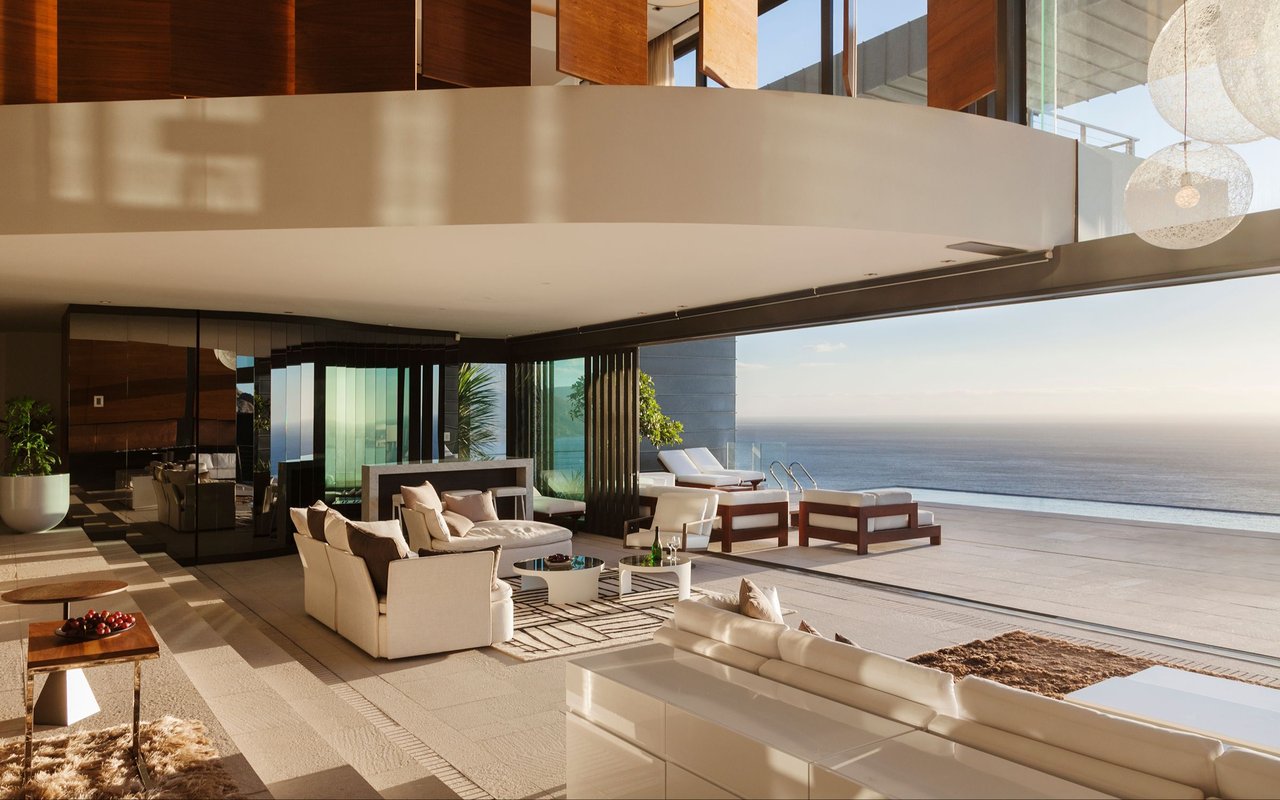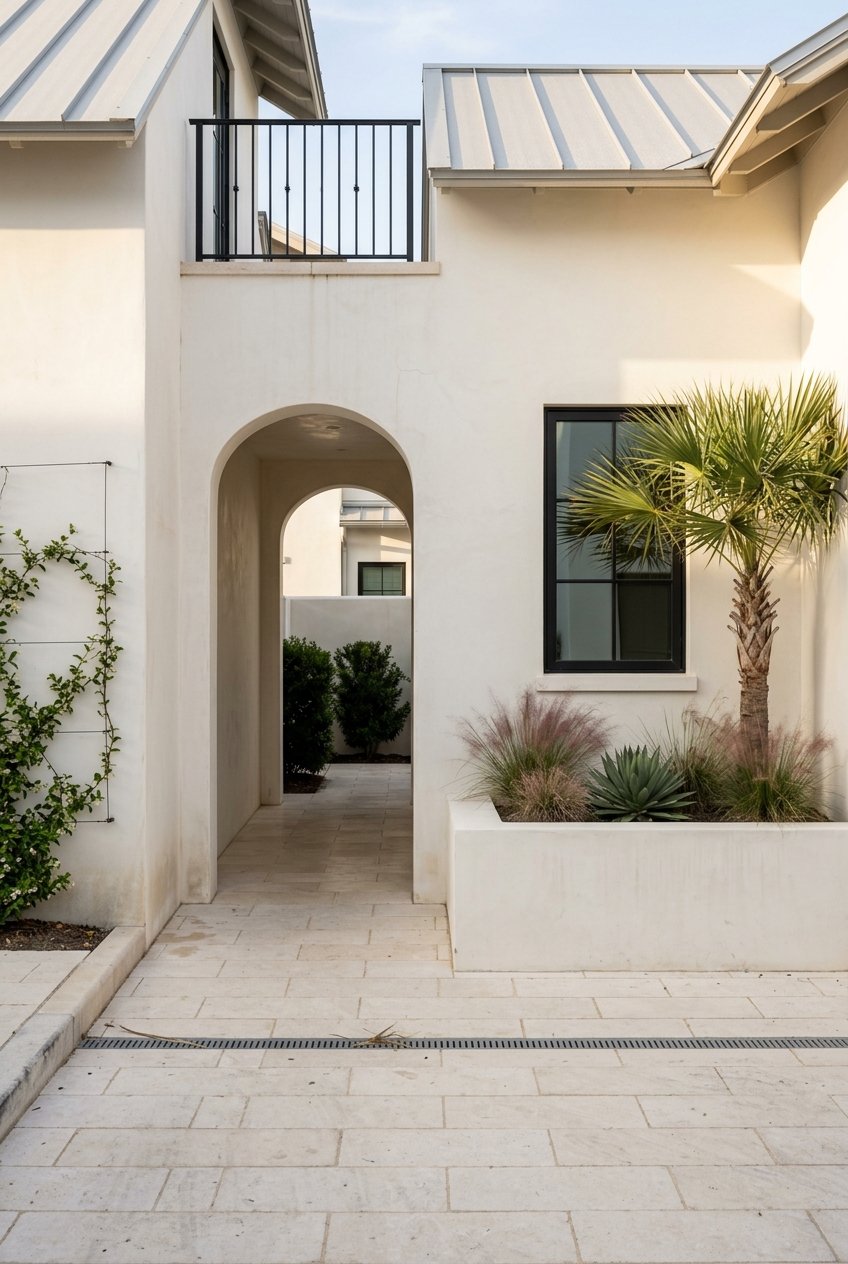
If you have ever wondered why two Rosemary Beach homes with similar square footage can sell at very different price points, the answer often starts with design. In this market, buyers are not just comparing bedrooms and finishes. They are also weighing walkability, beach access, outdoor living, and the overall feel of a home within a carefully planned community. Understanding that connection can help you buy smarter, price more accurately, and see value the way the market does. Let’s dive in.
Rosemary Beach Design Matters
Rosemary Beach is a planned community at the eastern end of Scenic Route 30A, and its design is a major part of its appeal. The neighborhood was designed by Andres Duany and Elizabeth Plater-Zyberk with strict urban codes, rear alley parking, interconnected pedestrian lanes and boardwalks, and a pedestrian scale that makes many daily destinations reachable on foot.
That planning creates a different value story than you might see in a more typical coastal subdivision. Here, architecture, layout, and access are part of the product buyers are evaluating. That means home value is often shaped by more than square footage alone.
How the Master Plan Shapes Value
The official Rosemary Beach design approach uses 12 basic building types, which creates visual consistency while still allowing custom homes. That balance helps the community feel cohesive without making every property look the same.
For buyers, this consistency can reduce the visual noise that often makes comparisons harder in other markets. When the architecture follows a strong design code, details like lot placement, orientation, privacy, and proximity to key amenities can stand out more clearly in pricing.
Walkability Is Part of the Appeal
Rosemary Beach was built around a pedestrian lifestyle. The community includes interconnected lanes, boardwalks, nine dune walkovers, and a 2.3-mile walking trail, with the Town Center, pools, tennis courts, and beach designed to feel close at hand.
That matters because walkability can influence how buyers perceive convenience and lifestyle. Research cited in the report found that walkability measures such as smaller blocks, intersection density, and land-use mix can have a positive relationship with housing value, though the size of that effect varies by market.
In practical terms, a home that makes it easier for you to walk to the beach or Town Center may command more interest than a similar home tucked farther from those pedestrian focal points. In a thin luxury market, convenience can be part of the premium.
Architecture Supports Scarcity
Rosemary Beach emphasizes authentic coastal materials, deep eaves, high ceilings, porches, courtyards, and outdoor living areas that extend the usable space of the home. These features are not accidental. They are central to the neighborhood’s identity.
That identity can support value because it creates a clear and recognizable product. Buyers looking specifically for Rosemary Beach are often seeking this exact combination of design, outdoor living, and walkable coastal setting, which can make well-positioned homes feel more scarce.
Why Similar Homes Can Price Differently
One of the most common questions in Rosemary Beach is simple: why does one home sell for more than another that appears similar on paper? The answer usually comes down to the parts of value that a basic property search does not capture well.
A similar floor plan can perform very differently depending on where it sits in the community and how it lives day to day. In Rosemary Beach, design and location work together.
Distance to the Town Center
Homes closer to the Town Center often benefit from the pedestrian-friendly layout that defines Rosemary Beach. If you can step out your door and reach restaurants, shops, pools, and community gathering spots quickly on foot, that convenience becomes part of the home’s marketability.
For buyers, that can mean a stronger everyday experience. For sellers, it can translate into broader demand, especially among second-home buyers who prioritize ease and lifestyle.
Beach Access and Walkovers
The community’s nine dune walkovers are a major design feature, not just an amenity. A home with easier access to those walkovers may feel more connected to the beach, even if the interior square footage is nearly identical to another property.
That difference can matter in pricing. Coastal valuation research in the report notes that shorter distance to the beach and beach views tend to raise property values, though the premium is highly location specific.
View Corridors and Gulf Orientation
Not every coastal-facing location carries the same value. A better view corridor, stronger Gulf orientation, or a more open sense of light and air can create a meaningful difference in how a home is perceived.
The research report notes that waterfront value is spatially dependent, meaning exact siting matters. In Rosemary Beach, that can help explain why two homes in the same neighborhood can attract very different pricing based on exposure and outlook.
Courtyards, Porches, and Outdoor Rooms
Outdoor living is a core part of Rosemary Beach design. Porches, courtyards, and private outdoor spaces are intended to function as extensions of the interior, not just decorative extras.
When those spaces are especially usable, private, or well-oriented, they can make a home feel larger and more livable. Buyers often respond to that experience, which can support value even when the official square footage does not tell the full story.
Lot Placement and Privacy
Because Rosemary Beach has a strong architectural code, homes are often compared less on exterior style alone and more on how the lot functions. Privacy, alley access, orientation, and the relationship to nearby pedestrian paths can all shape buyer perception.
This is one reason a home with a similar size and finish level may still price differently. The market may be reacting to the quality of the setting as much as the house itself.
What Current Market Data Suggests
Current public data points to a premium, highly segmented market. Zillow estimated the typical Rosemary Beach home value at $2,725,261 as of May 31, 2026, with 31 homes for sale and a median list price of $3,561,667.
Realtor.com’s May 2026 neighborhood snapshot showed a median listing price of $3.399 million, a median sold price of $2.8 million, a median price per square foot of $1,473, 76 days on market, and a sale-to-list ratio of 98%.
Redfin reported a recent three-month median sale price of $5.423 million, $1.58K per square foot, 41 days on market, and only 4 homes sold in May 2026. These figures are not directly interchangeable, but together they suggest a thin market where small differences in location, design, and property type can have an outsized impact.
What Buyers Should Watch Closely
If you are buying in Rosemary Beach, it helps to look past square footage and bedroom count. In this neighborhood, the value story is more layered.
Pay close attention to:
- Distance to the Town Center
- Access to beach walkovers
- Gulf orientation and view quality
- Courtyard, porch, and outdoor living design
- Privacy and lot placement
- Overall condition relative to nearby comparable homes
A home that feels effortless to enjoy on foot may offer a different long-term value proposition than one that looks similar in photos but lives differently in person.
What Sellers Should Understand
If you are selling, Rosemary Beach design can be one of your biggest pricing and marketing advantages. The key is knowing which design elements actually matter most to buyers and presenting them clearly.
That means your value may rest in details such as proximity to the beach, the quality of outdoor rooms, or a stronger view corridor, not just recent upgrades or total square footage. In a market this segmented, strong representation and accurate positioning matter.
For higher-value coastal homes, professional photography, thoughtful marketing, and a pricing strategy built around the home’s exact setting can make a meaningful difference. Especially in a boutique luxury market, the story of the property needs to match the way buyers shop.
The Big Takeaway on Design and Value
In Rosemary Beach, design is not just about aesthetics. It shapes how you move through the neighborhood, how quickly you reach the beach or Town Center, how private your outdoor space feels, and how a buyer experiences the home overall.
That is why two homes with similar square footage can perform very differently in the market. In a place where architecture, walkability, and coastal access are built into the community from the start, value is often tied to experience as much as dimensions.
If you want help evaluating a Rosemary Beach home or positioning one for sale, working with someone who understands how these design details influence buyer behavior can give you a real advantage. Connect with Albert Baeza for thoughtful guidance on buying, selling, or investing along 30A.
FAQs
How does Rosemary Beach design affect home values?
- Rosemary Beach design can influence value through walkability, beach access, outdoor living spaces, architectural consistency, and lot orientation, all of which shape buyer demand.
Why can two Rosemary Beach homes with similar square footage have different prices?
- Two similar-sized homes can price differently if one is closer to the Town Center, has easier beach access, offers a stronger view corridor, or has a more functional courtyard or porch.
Does walkability increase Rosemary Beach home value?
- Walkability can support home value because the community was designed around pedestrian access to the beach, Town Center, pools, and other amenities, and research in the report found positive links between walkability measures and housing value.
Do beach views always add the same value in Rosemary Beach?
- No. The research report shows that waterfront and beach-related value is highly location specific, so the premium depends on exact siting, exposure, and view quality.
What should buyers compare besides square footage in Rosemary Beach?
- Buyers should compare distance to beach walkovers, Town Center access, Gulf orientation, privacy, outdoor living quality, and the overall feel of the lot within the community plan.
What should sellers highlight when marketing a Rosemary Beach home?
- Sellers should highlight design-driven features such as walkability, beach access, porches, courtyards, view corridors, and the home’s position within the neighborhood, since those details can strongly influence buyer perception.